

Bases/ Stations
RCAF Station Trois-Rivieres, Quebec
January 1944. Location of No. 3 Aircrew Graduate Training School.
December 1944. Closure.
May 1952. Location of No. 2453 Aircraft Control and Warning.
May 1961. Closure.
June 1953. Location of No. 6 Ground Observer Corps.
May 1960. Closure.
Tusket, Nova Scotia
September 1942. Location of No. 3 Radio Detachment.
September 1945. Closure.
RCAF Station Uclulet, British Columbia
July 1940. Location of No. 4 (B.R.) Squadron.
January 1942. Opened.
November 1944. Closed.
July 1945. Closure of No. 4 (B.R.) Squadron.
RCAF Station/ CFB Uplands, Ontario (See RCAF Ottawa (South))
RCAF Station/ CFB Val D'Or, Quebec


10th Anniversary

1976. Closed.
Valcartier, Quebec
April 1941. Location of No. 4A Manning Depot.
August 1941. Closure.
1951. Location of Canadian Armament Research & Development Establishment (CARDE).


Location of 711 Communication Squadron
Work Dress

Location of 5e Groupement de Combat

Location of 5e Amb C

RCAF Station Valleyfield, Quebec
January 1944. Location of No. 4 Aircrew Graduate Training School.
July 1944. Closure.
RCAF Station Vancouver, British Columbia (see RCAF Station Sea Island)

Victoria. British Columbia
March 1944. Location of No. 2 Filter Detachment.
September 1945. Closure.
June 1955. Location of No. 2455 Aircraft Control and Warning.
March 1961. Closure.
Joint Rescue Coordination Centre
LVG

Location of 741 Communication Squadron
Combat


RCAF Station Victoriaville, Quebec
March 1941. Location of No. 3 Initial Training School.
November 1944. Closure.
RCAF Station Virden, Manitoba
May 1941. Location of No. 19 Elementary Flying Training School.

October 1944. Closure.
RCAF Station Vulcan, Alberta
3 August 1942. Opened
August 1942. Location of No. 2 Flying Instructor's School.
January 1945. Closure.
May 1943. Location of No. 19 Service Flying Training School.

April 1945. Closure.
RCAF Detachment Wainwright, Alberta
July 1943.
September 1943.
RCAF Station/ CFB Wainwright, Alberta
1941. Established on the site of the former Buffalo National Park.
1944. Internment Camp 103 was established on site and 1700 German POW's were imprisoned here until July 1946.
1950. 25 Infantry Brigade, Canada's Army commitment to the UN's Commonwealth Contingent in Korea, began training here, but it wasn't until 1952 that the camp's first permanent buildings were constructed.


July 1974. The First Canadian Mechanized Brigade Operational Training Detachment, the successor to the Princess Patricia's Canadian Light Infantry (PPCLI) Regimental Depot, was established at Camp Wainwright.
1 May 1984. The Operational Training Detachment was re-named the PPCLI Battle School.


1996. Re-named Land Force Western Area Training Centre Battle School.
Today Camp Wainwright , featuring 609 square kilometers of training area, 25 weapon ranges from pistol to artillery and an airfield sufficient to land transport aircraft, is the largest training area in Western Canada and the primary training area for the Regular and Reserve Force Army and Air Force units of the Western area. Other users of the camp are Cadet units, the British Army, the Royal Canadian Mounted Police and Corrections Canada.
RCAF Detachment Watson Lake, Yukon
March 1944. Opened.
My 1957. Closure.
RCAF Station Watson Lake, Yukon

July 1942. Location of No. 4 Staging Unit.


November 1944. Closure.

Wellesbourne, United Kingdom
June 1944. Location of No. 22 Operational Training Unit.
July 1945. Closure.
Werl, Germant. Canadian Army
RCAF Station Weyburn, Saskatchewan
November 1940. Location of No. 8 Service Flying Training School.
June 1944. Closure.
February 1942. Location of No. 41 Service Flying Training School (RAF).
January 1944. Closure.
July 1944. Location of No. 202 Holding Unit.
November 1944. Closure.
RCAF Station/ CFB Whitehorse, Yukon
March 1943. Location of No. 5 Staging Unit.
September 1944. Closure.
February 1959. Operation Polar Bear


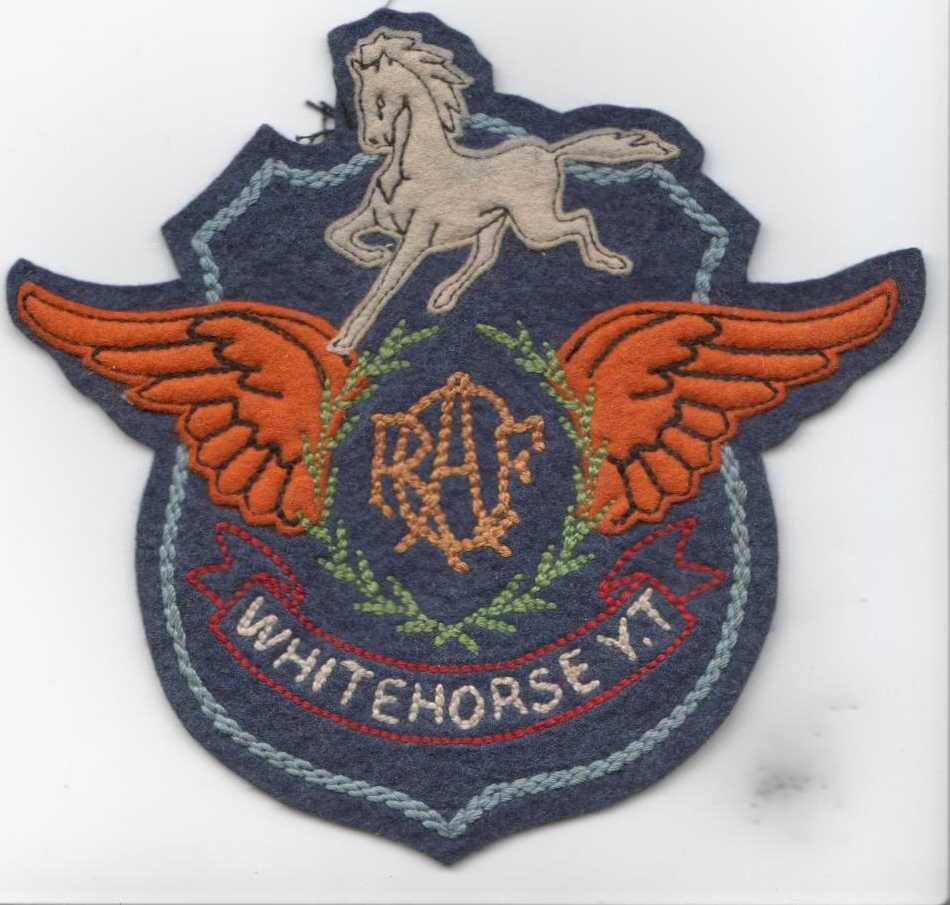


December 1964. Closure.
RCAF Station Windsor, Ontario
November 1944. Location of No. 7 Elementary Flying Training School.
January 1954. Location of No. 2451 Aircraft Control and Warning.
May 1961. Closure.
RCAF Station Windsor Mills, Quebec
June 1940. Location of No. 4 Elementary Flying Training School.
August 1941. Closure.
Sept 1944. Location of No. 302 Aircraft Holding Unit (AHU).
November 1944. Closure.
December 1944. Location of No. 7 Surplus Equipment Holding Unit.
August 1945. Closure.
RCAF Detachment Winnipeg, Manitoba
RCAF Station/ CFB Winnipeg, Manitoba
Prior to World War II. Opened as Fort Osborne Barracks, this was the home of The Lord Strathcona's Horse, the 2nd Battalion, Princess Patricia's Canadian Light Infantry (2 PPCLI) and C Battery of the Royal Canadian Horse Artillery.
5 October 1932. Location of No. 13 (Army Co-operation) Squadron (Auxiliary).
February 1936. Location of No. 8 (G.P.) Squadron.
September 1939. Moved to Sydney, N.S., then Sea Island.
July 1936. Location of No. 2 Equipment Depot.
July 1940. Closure.
March 1940. Location of No. 7 Equipment Supply Depot.
February 1946. Closure.
October 1940. Location of No. 8 Repair Depot.


September 1946. Closure.
October 1940. Location of No. 15 Aeronautical Inspection District.
August 1945. Closure.
January 1941. Location of No. 5 Air Observer School.
April 1945. Closure.
Location of No. 3 Wireless School.
Sep 17th, 1941. Formed
Jan 20th, 1945. Closure

May 1942. Closure.
November 1942. Location of Western Division of 124 Ferry Squadron
Renamed No. 170 (Ferry) Squadron on 1 March 1944.

Disbanded at the end of the war.
Renamed again No. 124 Ferry Squadron at the end of the war.

Disbanded 30 September 1946
After the war, the newly formed Prairie Command Headquarters took up residence on site.
No. 2 Air Command
1 December 1944. Formed at Winnipeg, Manitoba by the merger of No. 2 and No. 4 Training Command of the BCATP.


1 March 1947. Disbanded on the formation of No. 11 Group of North West Air Command.
June 1945. Location of No. 2 Air Observer School.

May 1960. Closure.
December 1945. Location of No. 2 Composite Flight.
February 1947. Closure.
February 1946. Location of No. 5 Release Center.
November 1946. Closure.
May 1946. Location of No. 9401 RCAF Detachment.
January 1947. Closure.
March 1947. Location of No. 111 Composite Unit.
December 1964. Closure.
April 1947. Location of No. 402 Aux. Squadron Support.
June 1948. Closure.
April 1947. Location of No. 112 (T) Flight.
July 1948. Closure.
1951. Location of No. 2402 Aircraft Control and Warning.
May 1960. Closure.
March 1951. Location of No. 4003 Medical Unit (Aux).
March 1961. Closure.
July 1951. Location of No. 17 Wing HQ (Aux).
December 1964. Closure.
August 1951. Location of No. 15 Technical Training Wing (Aux).
November 1957. Closure.
September 1951. Location of No. 5003 Intelligence Unit.
November 1957. Closure.
May 1952. Location of No. 9402 RCAF "R" Detachment.
November 1952. Closure.
October 1952. Location of No. 3052 Technical Training Unit.


December 1963. Closure.
May 1955. Location of No. 3 Communications Unit.
December 1964. Closure.
1957. Fort Osborne's role was to provide support services for Army units under control of Prairie Command.
December 1960. Location of No. 2 Air Navigation School.


December 1964. Closure.
1964. Location of No. 9 Air Movements Unit.

Candidate Officers School


Matchbook

1 February 1968. Integrated in the Canadian Armed Forces. Merged with RCAF Station Winnipeg to form CFB Winnipeg.
Coin
 |
 |
| Front | Back |


The barracks were officially designated as CFB Winnipeg (South), although the name Fort Osborne Barracks remained in use.
17 May 1973, Fort Osborne Barracks was re-named Kapyong Barracks, after the battle of Kapyong, fought by 2 PPCLI in Korea in 1951.
1976. Location of Air Reserve Group.


1993. Renamed 17 Wing.


LVG


Nijmegen march 2018


LVG

June 2004. Kapyong Barracks closed and 2 PPCLI re-located to new facilities at CFB Shilo.
RCAF


CFB Winnipeg


Sports


1 Air Movements Squadron


1 Air Movement Unit

1 Canadian Air Division


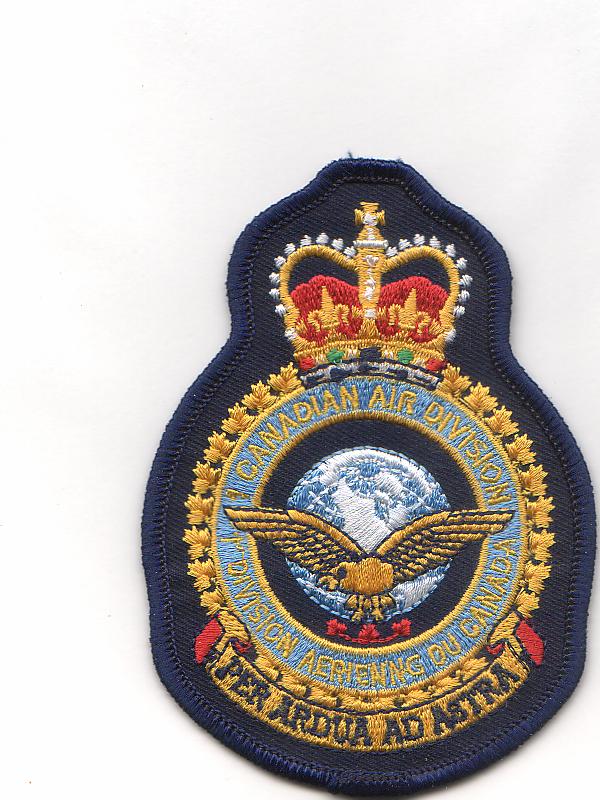


A3 Fighter
LVG


Arid

A3 UAV


LVG


SSO Fighters
LVG


Arid
LVG


Arid


1 CAD


LVG


Arid


1 CDN AIR DIV


LVG


Arid


1 DAC
LVG


1st CDN DIV HQ
LVG


1st Cdn Div
LVG

RCAF
LVG


Coin


Transport Standards Evaluation Team

1 Canadian Forces Flying Training School (2009)
LVG


2 Canadian Air Division


LVG


Arid


3 CFFTS (Canadian Forces Flying Training School) see Portage La Prairie
Air Force Standards
LVG


Air Training Test and Evaluation Flight (ATTEF)
LVG


Basic Flight Training School (BFTC)

LVG


Printed


Canadian Forces Air Navigation School (CFANS)


LVG


Basic Air Navigation Course and Basic ACSO Course (BAC)
1980

1981

1982
1983
1984


1985

1986
1987

1988
1989


1990


1991


1992


1993


1994


1995


1996
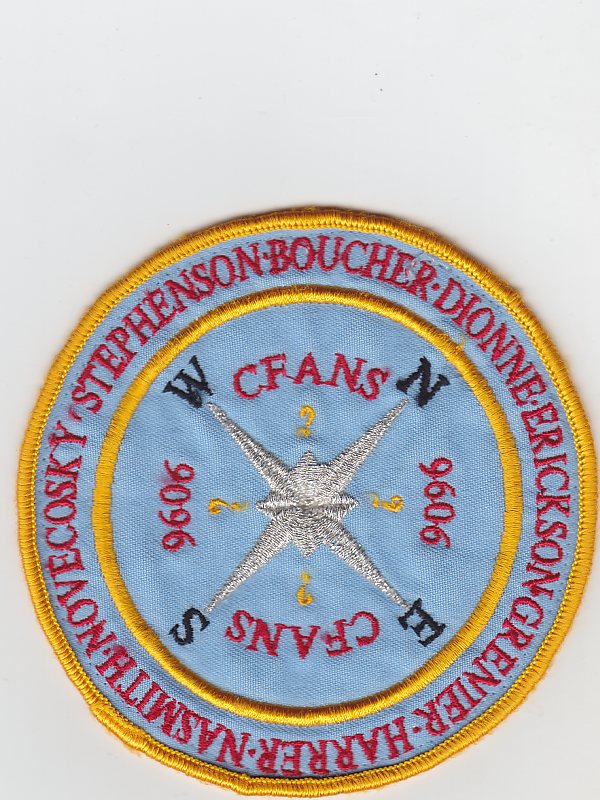
1997


1998


1999

2000


2001
2002


2003


LVG

2004

LVG


2005

LVG


2006
LVG


2007
LVG


2008
LVG


2009
LVG


2010
2011
2012
2013
2014
2015
2016
2017
2018
2019
3 Regular Support Unit


Aviation Medicine


Canadian Forces School of Aerospace Studies (CFSAS)


LVG


Arid

Canadian Forces School of Meteorology (CFS Met)


Canadian Forces School of Survival and Aeromedical Training (CFSSAT)


LVG


Central Flying School


LVG


Canadian Forces Flying Training Standards Unit (CFFTU)

Flight Safety


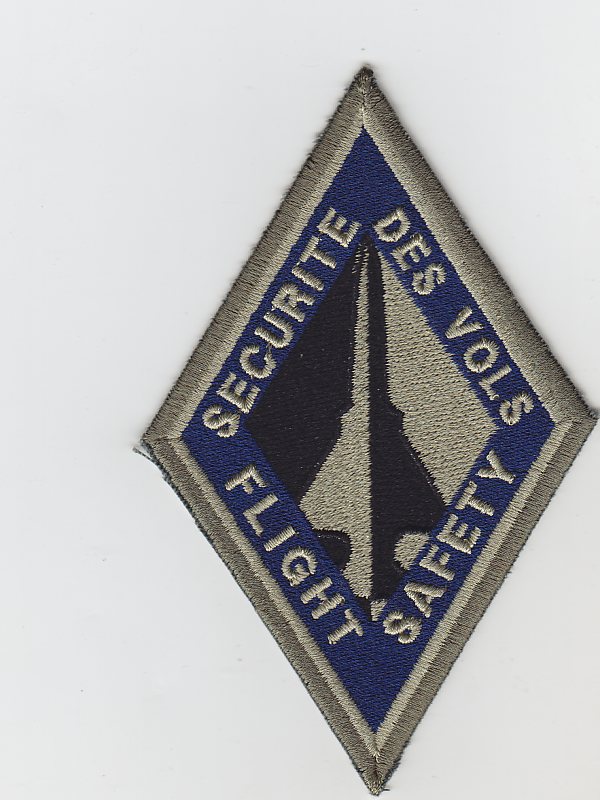


LVG


Arid


 Coin
Coin


Human Performance in Military Aviation


LVG


Instrument Check Pilot


Comd ICP

Group ICP

Staff ICP


LVG


Arid

Division Instrument Check Pilot
LVG

Air Combat Systems Officer Course (ACSO)
LVG


Intermediate Airborne Electronic Sensor Operator Qualififation (IAQC) course
LVG


Location of 734 Communication Squadron
Work Dress


Combat

Misc.


Books St-Andrews Airport. August 17th and 18th 1974. Winnipeg International Air Show
Author None
ISBN None

Canadian NORAD Region


50th Anniversary
60th Anniversary


LVG


Arid

Coin


Decal

Canadian Naval Air Group (CNAG)


RCAF Station Winisk, Ontario
Mid-Canada Line
June 1958. Opened near the mouth of the Winisk River.
December 1964. Closure.
Wombleton, United Kingdom
May 1943. Location of No. 1679 Conversion Unit.
December 1943. Closure.
June 1943. Location of No. 1666 Conversion Unit.
December 1943. Closure.
August 1943. Location of Station HQ.
September 1945. Closure.
RCAF Station Woodcock, New Brunswick
October 1943. Location of No. 15 Staging Unit.
March 1964. Closure.
RCAF Station Yarmouth, Nova Scotia
March 1941. No. 119 (BR) Squadron relocated from Hamilton.
 |
 |
 |
|
Blazer |
Blazer |
normal |
January 1942 . Originally opened as 3 separate training sites (the East Camp, the West Camp and the Air Base) under the British Commonwealth Air Training Plan, but known collectively as RCAF Station Yarmouth.
May 1942. Location of No. 162 (BR) Squadron.
 |
 |
|
August 1945. Closure.
May 1942. Location of No. 6 Coastal Artillery Co-Operation Flight.
October 1943. Closure.
January 1943. Location of No. 1 Naval Air Gunners School.
March 1945. Closure.
October 1943. Location of Aircrew Assessment Board.
July 1945. Closure.
October 1943. Location of Eastern Air Command Meteorological Flight.
September 1948. Closure.
The East Camp was home to a detachment of the Royal Air Force's No. 34 Operational Training Unit (from Pennfield Ridge), who trained Bomber crews, as well as the Royal Navy's No. 1 Naval Air Gunners School from 1 January 1943 - 30 March 1945.
The West Camp was home to the RCAF's Anti-Submarine Bomber Reconnaissance and several Eastern Air Command Bomber Reconnaissance Squadrons.
The Air Base was home to the 9th Light Anti-Aircraft Artillery, various RCAF and RAF Bomber Squadrons and an Army Co-operation Reconnaissance Flight. Its primary function was as an administrative and logistical support base to the RAF and RCAF squadrons in the area, in addition to providing a Weather Information Section, an Armament Section and a firing range.
Several smaller installations associated with the air station were located in the area: a bombing range at Port Maitland, a fuel depot at Digby, and radar detachments at Plymouth, Tusket and Bear Point, Port Mouton and Rockville.
1944. A detachment of the US Navy briefly came to Yarmouth to test the effectiveness of a blimp service. After a crash, the RCAF decided against this venture.
1945. Station Closed.

Yellowknife, North West Territories
Joint Task Force North (JTFN)

LVG


Yemen
1963. Location of No. 134 Air Transport Unit, UNEF.
York, United Kingdom
September 1942. Location of No. 5 District Headquarters.
November 1945. Closure.
RCAF Station Yorkton, Saskatchewan
March 1941. Location of No. 11 Service Flying Training School.
November 1944. Closure.
October 1942. Location of No. 23 EFTS (Elementary Flying Training School).
September 1945. Closure.
16 September 1945. Location of No. 2 FTS (Flying Training School).
6 December 1945. Closure.
Pinetree Line
15 October 1962. RCAF Station Yorkton opened as a Pinetree Line radar station, about 10 miles west of the former wartime training base No. 11 Service Flying Training School. 46 Radar Squadron was formed to handle the radar duties, reporting to the Central NORAD Region.
1 February 1968. Integrated in the Canadian Armed Forces. Renamed CFS Yorkton.
Coin
|
|
|
| Front | Back |

1 August 1986. Closed.
3 Wing / RCAF Station Zweibrucken, Germany
January 1953. Location of No. 3 (F) Wing.


Jamboree 1965


Curling Club


Hockey Team.


Model Airplane Club

Spartans

1968. Closure

